Where to start repaying college debts
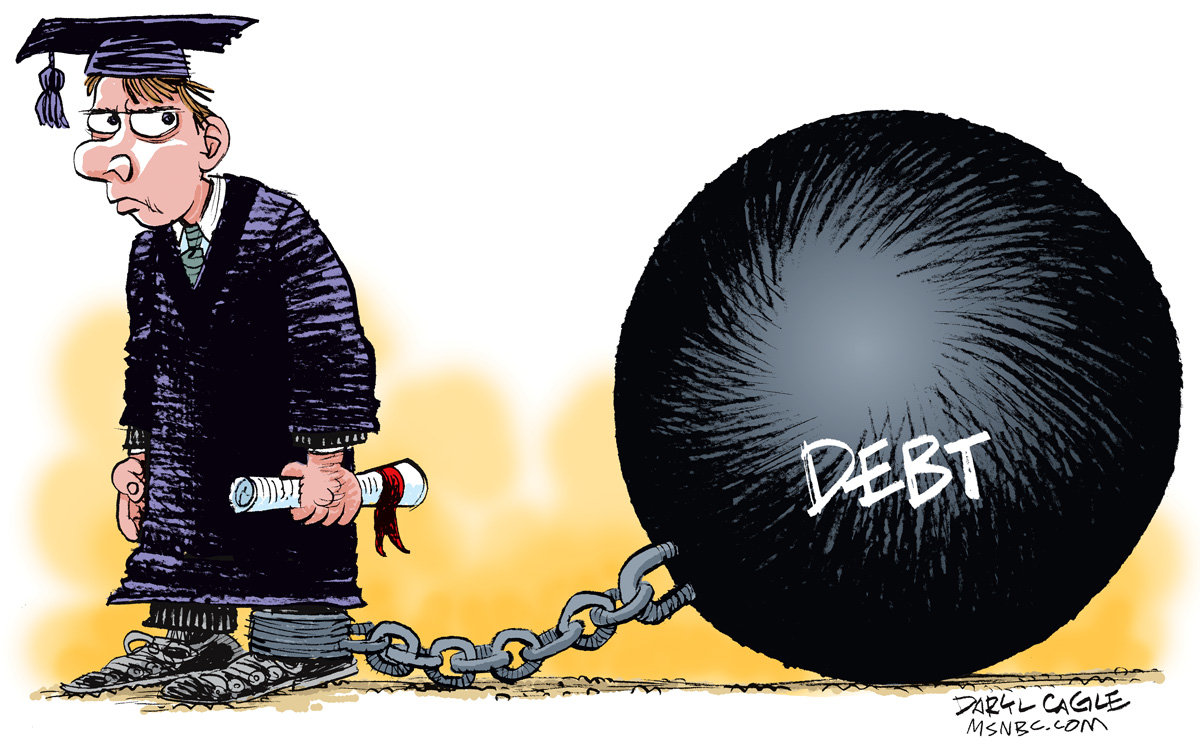
So you waited till the last minute and barely gathered any funds. Now you go through college and graduate with a boatload of debt. In fact, this is what happens most of the time. But it is okay, it happens. But now, you have to start shoveling the mountain and lessening the burden.
College costs are going up
If there is one thing that stops most millennials from investing, it is the responsibility of college loans. According to the College Board, the annual cost of a typical college education has grown by around 130% in the past two decades. Consequently, Americans have collected around $1 trillion in debt from federal, private and parental loans. For 2016 graduates, the average student education debt is an all-time record of $37,172, a 6.05% increase from the previous year. This large burden follows students long after they graduate, often hindering their success and stunting their potential. Luckily, Plan Kids Future has a few tips to combat college debt.
Establish a College Repayment Fund
Automatically moving money into a savings account is effective, mainly because it is forced. It allows students to consciously set aside money which would otherwise have been wasted on clothes or a dinner out with friends.
Make sure to set up the account so that it will solely be used for paying back your student loans. Be careful not to use your checkings/savings accounts or other accounts you already have because otherwise you might be tempted to use that money for something other than your college debt.
Plan Ahead
The need for “instant gratification” is a barrier that is constantly stopping people from quickly repaying their loans. Because of this idea, people may lose sight of their financial goals and live for today instead of planning for tomorrow.
The most effective way to combat this is to simply plan ahead. Make sacrifices, focus on the future, and delay instant gratification. Maintaining financial discipline is a difficult task for many college graduates, but it can be done through dedication.
Refinance Your Loans
With student loans, refinancing gives you a chance to lower your monthly payment, lower your interest rates, and win the battle against ever-accruing interest. Why doesn’t everyone do this? Well, similar to every financial decision, there are pros and cons to this method:
Pros
- If your income situation is stable but you’re losing money to high interest rates, refinancing may be helpful for you. Refinancing will decrease your monthly payment and ensure that your money goes towards paying the principal, not interest.
Cons
- You may lose some federal protections if you refinance your student loans, including the federal loan forgiveness program, which forgives the leftover balance on your Direct Loans after you make 120 qualifying monthly payments under a repayment plan while working full-time for an employer.. If you happen to be unemployed, you won’t be able to claim financial hardship like you could have before refinancing.
You can contact our expert financial advisers to see whether or not this is the best choice for you. There are a lot of options on the market to help you with that goal, one of which is to shop online and look for loan websites.
Choose a federal-student-loan repayment plan for you
Stafford, PLUS, Perkins, and Direct Consolidation loan make up 85 percent of education debt and there are five repayment options for them. They range from the standard plan—a minimum payment of $50 every month for up to 10 years—to the new, income-based plan—a maximum on your monthly payments at a percentage of your income which is determined by the federal government, and forgives any debt after 25 years.
People often go with the option that has the smallest monthly payment, causing them to pay thousands more in interest over the span of the loan. Instead, you should try to put around ten percent of your gross income towards your education debt. For more help, go to the studentaid.ed.gov to discover which plan is best for you.
Paying back student loans is a difficult and burdensome thing to do. It doesn’t have to be a solo process. Plan Kids Future is here to help make it easier for you; sometimes the smartest thing to do is reach out for help and learn valuable insight from professionals.