What is the Excelsior Scholarship?
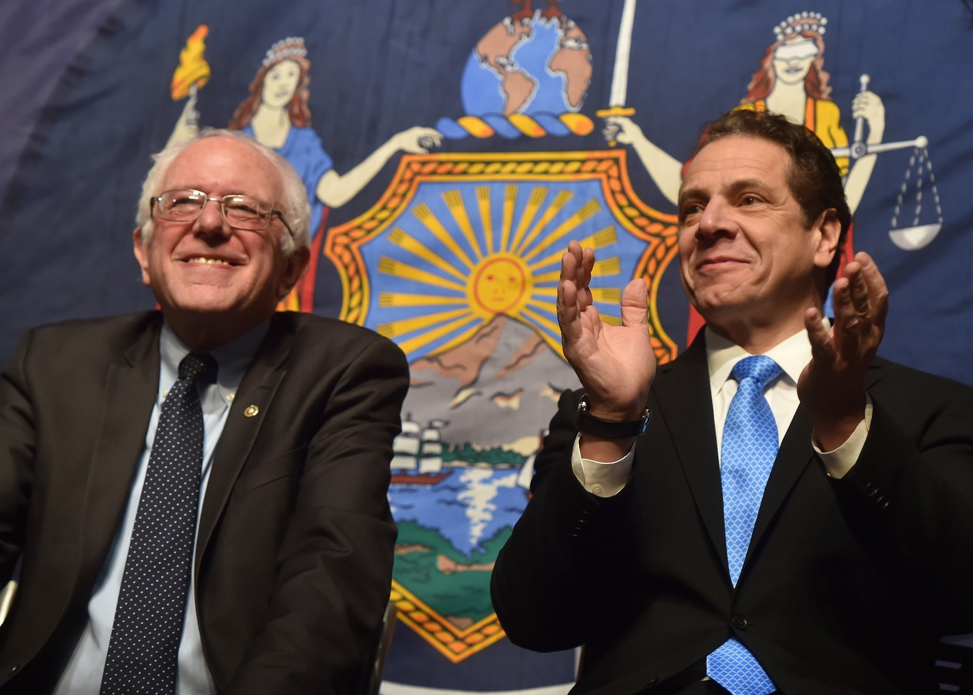
On April 8th, New York State made large strides in universal education. NY Governor Andrew M. Cuomo’s Excelsior Scholarship is the first program in the nation that will provide tuition-free college at New York’s public educational institutions. There’s only one criteria: have a family income of $125,000 or below (although this won’t be the immediate cut-off).
What does the Excelsior Scholarship cover?
The program is a pioneer in universal education. NY State noticed the increasing rise in cost of public universities and decided to introduce this scholarship. The program covers tuition for eligible SUNY and CUNY students. Public college tuition has almost doubled in the past 20 years, and a lot of families can’t afford to cover the costs and resort to take out loans. Luckily, the Excelsior Scholarship came into existence to finally allow students to attain a free public education.
What doesn’t it cover?
As much as we want college to be completely free, it isn’t. The Excelsior Scholarship only covers tuition costs. It doesn’t cover: fees, room and board, transportation, textbooks, meal plans, etc.
How to qualify for an Excelsior Scholarship?
Qualifying for an Excelsior Scholarship isn’t difficult. In fact, nearly 80 percent of families with college-aged children will qualify. However, the program will be implemented over the next three years in three separate phases. It will begin in the Fall of 2017 and end in the Fall of 2019. In the first year, Fall 2017, it will only apply to families who make under $100,000. The following year it will be increased to $110,000; the final year it will increase to $125,000 and be fully implemented.
Students must be attending college full-time and receive at least 30 credits per year. However, the program understands that students might have personal hardships and allow them to stop the program and then restart when they can. Finally, students have to maintain a specific GPA for the completion of their coursework. The gross adjusted income is calculated through federal tax forms.
Graduate students are not eligible for the scholarship. You also have to be a resident of NY State and work within the state throughout the duration of the program.
Is it possible to lose the scholarship after attaining it?
It is entirely possible to lose the scholarship. Students who do not take their education seriously are liable to lose it. However, if you give prior notice, then the program can give you exemptions.
Are there exemptions for students with disabilities?
Of course! Students with disabilities do not have to register full-time in order to apply for the scholarship. However, the requirements haven’t been decided yet.
What does this program mean for the future of public college?
The program is the first in the country to offer to pay for a four-year degree. You can expect a lot more states to start implementing these programs for their own residents. Governor Cuomo’s goal from this program is to increase graduation rates and work effectivity within the State. California has also started to think about implementing a similar program. However, it’s too early to say anything related to implementation. Critics of the Excelsior Scholarships also say that it was done too hastily and fear an increase in state taxes. There certainly is a lot of debate about the sustainability of the program, but only time will tell.